
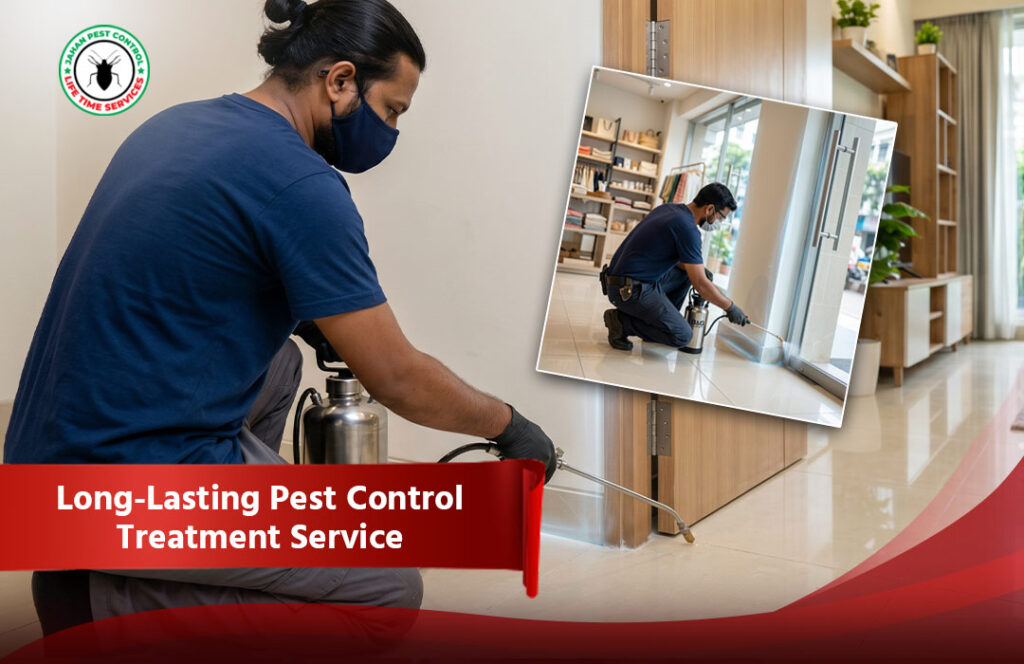
Pest problems can quickly turn from a minor annoyance into a major headache, affecting your home’s comfort, health, and even structural integrity. Traditional one-time sprays often provide only short-term relief, with pests returning weeks later. This is where long-lasting pest control treatment services come in. These professional solutions offer extended protection by targeting pests at their source and creating barriers that remain effective over time.
What Is Long-Lasting Pest Control Treatment?
Long-lasting pest control refers to advanced treatments that use residual insecticides, baits, gels, and targeted applications designed to provide protection for months rather than days or weeks. Unlike quick-kill sprays that dissipate rapidly, these treatments create a protective barrier on surfaces and disrupt pest life cycles by killing pests that come into contact with treated areas or by spreading through colonies (e.g., via baits that pests carry back to nests).
Professionals assess your property, identify entry points and nesting sites, and apply customized solutions for both immediate elimination and long-term prevention.
How It Works Compared to Regular Pest Control
Regular (short-term) pest control typically involves contact sprays or aerosols that kill visible pests on the spot. These break down quickly, often within days, requiring frequent reapplication. They may miss hidden colonies, eggs, or pests that avoid treated areas, leading to rebound infestations.
Long-lasting treatments use residual formulations that adhere to surfaces (like baseboards, cracks, and voids) and remain active for extended periods. Many incorporate baits or dusts that pests transfer to their nests, achieving colony-wide elimination. This approach is slower initially (pests may not die immediately) but far more effective at breaking life cycles, reducing the need for repeated visits.
Common Pests Covered by Long-Lasting Treatment
These services effectively target a wide range of household and garden pests, including:
- Cockroaches
- Ants (including carpenter and fire ants)
- Spiders
- Bed bugs (in combination with other methods)
- Termites
- Rodents (via integrated approaches)
- Silverfish, fleas, ticks, and wasps
Treatments are tailored—general pest packages often cover cockroaches, ants, and spiders, while specialized options address termites or rodents.
Benefits of Long-Term Pest Protection
- Fewer infestations: Reduced risk of pests returning and spreading diseases or causing damage.
- Health and safety: Lower overall pesticide use compared to repeated DIY spraying, which can build resistance or increase exposure.
- Peace of mind: Consistent protection for your family, pets, and property.
- Cost efficiency: Less frequent treatments save money over time.
- Environmental considerations: Targeted applications minimize impact on non-target species when done professionally.
Safe Chemicals Used in Long-Lasting Treatments
Modern professional treatments prioritize safety with EPA-registered products that are low-toxicity for humans and pets when applied correctly. Common active ingredients include pyrethroids (like bifenthrin or deltamethrin), neonicotinoids, and insect growth regulators. Many services also offer “green” or low-impact options using plant-derived compounds, baits, or biological agents like Bacillus thuringiensis (Bt).
Professionals follow strict guidelines, use the least toxic effective options, and provide re-entry times and precautions. Always choose licensed providers who explain products and safety measures.
Indoor and Outdoor Application Process
Indoor: Technicians focus on cracks, crevices, baseboards, under sinks, and behind appliances. They use gels, baits, dusts, and targeted sprays while avoiding open living areas. Furniture may be moved, and safety protocols (like ventilating) are followed.
Outdoor: Perimeter barriers are created around foundations, entry points, eaves, and yards. Treatments may include granular applications, sprays on foliage (where appropriate), and sealing potential entryways.
The process usually takes a few hours, followed by a post-treatment inspection.
How Long the Protection Lasts
Duration varies by pest, environment, and product:
- General pests (ants, cockroaches, spiders): 3–6 months (up to 12 months for some ant treatments).
- Residual surface sprays: Often 3–6 months indoors or in protected areas; shorter (1–3 months) in high-exposure outdoor spots.
- Some advanced treatments: Up to 8–12 months or more with maintenance.
Full eradication can take 4–6 weeks as treatments work through colonies.
Maintenance Tips After Treatment
- Keep surfaces clean and dry; avoid mopping treated areas for the recommended time (usually 24–48 hours).
- Seal food, fix leaks, and declutter to remove attractants.
- Monitor for activity and report back to your provider promptly.
- Maintain landscaping (trim vegetation away from the house) and seal cracks.
- Schedule follow-up or seasonal treatments for ongoing protection.
Cost vs. Value of Long-Lasting Pest Control
Initial costs for professional long-lasting treatments are higher than DIY options (often $200–$500+ depending on home size and pests). However, they deliver better value through fewer repeat visits, reduced property damage, and lower long-term expenses compared to ongoing DIY purchases and failed attempts.
Many services offer guarantees or quarterly plans that ensure continued protection.
Why Choose a Professional Long-Lasting Pest Control Service
Professionals bring expertise in pest identification, access to commercial-grade products, and customized Integrated Pest Management (IPM) strategies that combine chemical, physical, and preventive methods. They minimize risks, ensure compliance with regulations, and provide warranties—advantages DIY methods rarely match.
A reliable service protects your investment in your home while delivering safer, more effective, and longer-lasting results.
If you’re dealing with persistent pests, investing in a professional long-lasting pest control treatment is one of the smartest decisions for a healthier, more comfortable home. Contact a licensed local provider for a tailored inspection and plan today.